Beyond Physical Damage: The Lasting Impact of Groningen Earthquakes
In the Groningen region, earthquakes linked to decades of gas extraction have caused significant damage, but the toll extends far beyond the physical cracks in buildings. Residents are grappling with delays, confusion, and emotional strain as they wait for promises of repair and compensation to materialize.
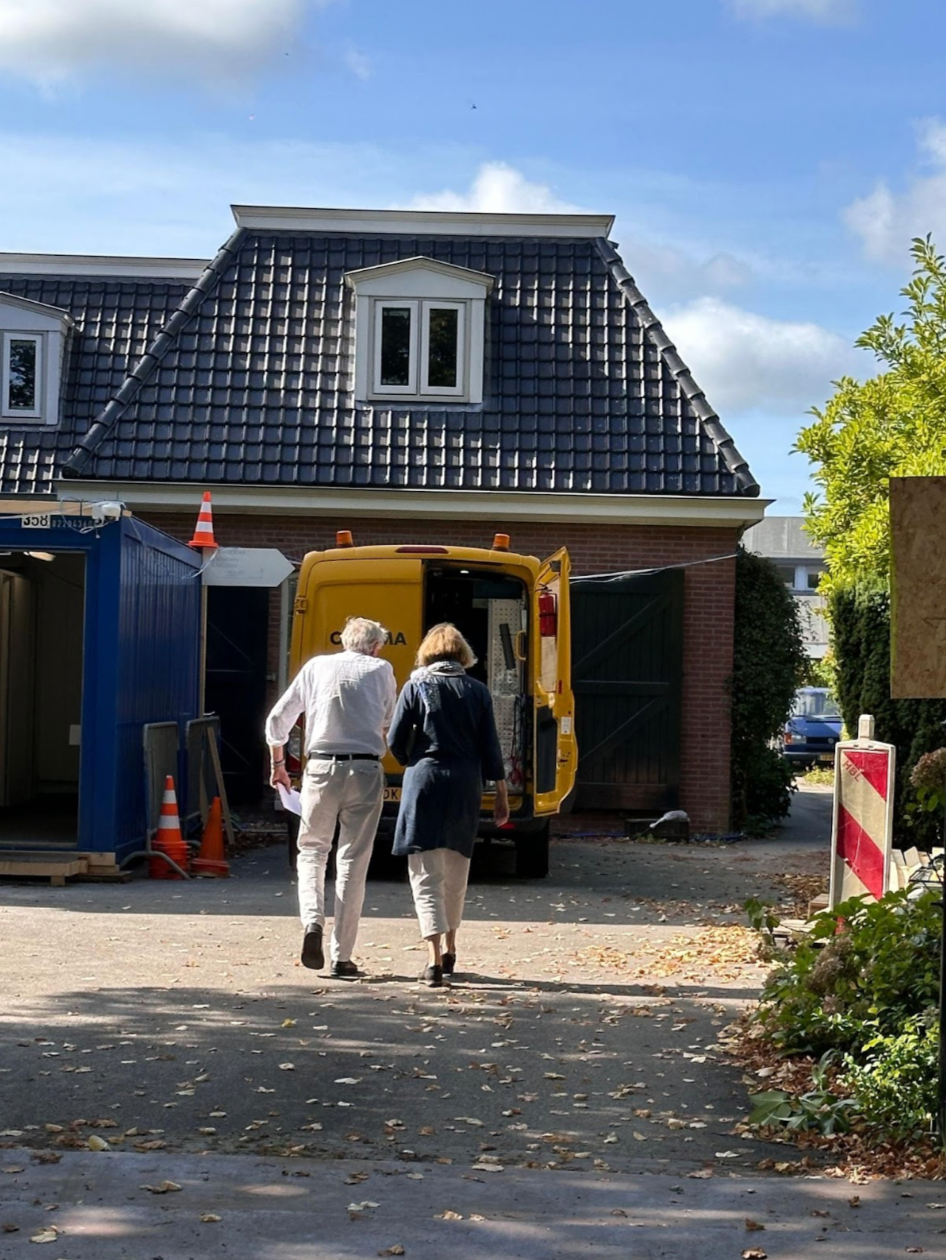
Life for the residents has been far from normal since the earthquakes. Many were forced to relocate to temporary housing, unsure if or when they could return. Even those still living in their homes remain on edge. "Some people don’t want to have guests because they’re afraid the house might collapse," explains Professor George de Kam from the University of Groningen, who has helped victims seek fair compensation. He adds: “The constant threat to their homes affects them at a deep level. No one should have to live with that kind of insecurity.”
The delays have also led to widespread frustration, and the compensation process itself is labyrinthine. “NAM, responsible for part of the damages, requires meticulous proof before releasing funds, slowing the process. Meanwhile, disputes between the government and NAM over who should bear the costs have only added to the delays,” says Professor de Kam.
Dealing with large entities like the Dutch government and gas company NAM has created a rift of mistrust. “Promises were made, institutions arrived to offer help, and then nothing happened. Trust has eroded, and in a time of political sensitivity, rebuilding that trust is vital,” explains Nienke Busscher, a coordinator at Knowledge Platform.
The government thinks money solves everything
While the physical damage can be compensated, the emotional and social scars remain. Nienke explains that the earthquakes have fractured the social fabric of these communities. She points out that even within families, the compensation process has created rifts. "In some cases, one family member might receive €5,000, another €50,000, and another €30,000. This kind of inequality has caused conflicts." On a larger scale, villages like Loppersum, which have been compensated, are moving forward, while others remain stuck, waiting.
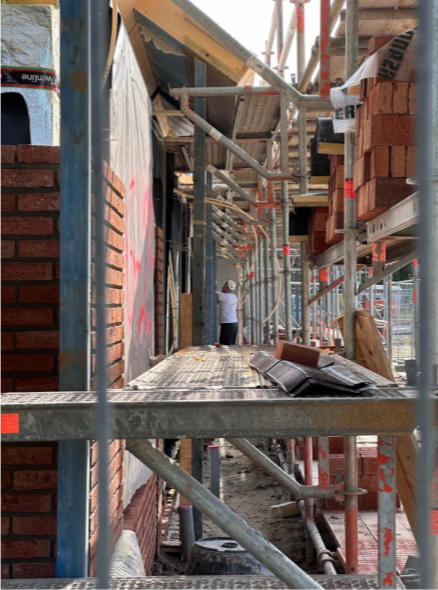
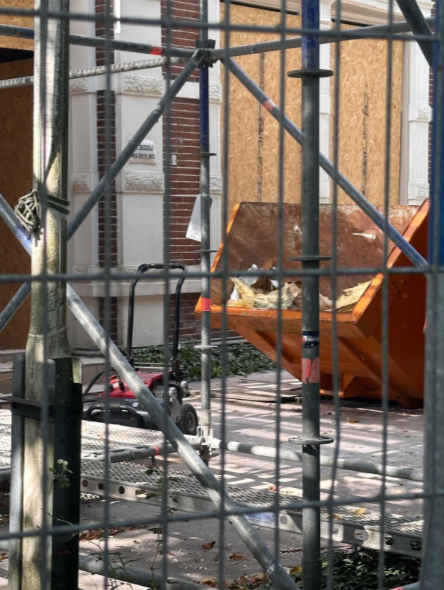
The earthquakes have also hurt village life in other ways. Many families have moved into temporary housing, leaving towns empty. Shops are closing, and tourism has dried up. Even in places like Loppersum, where rebuilding is happening, the streets feel like a never-ending construction zone. “Businesses are suffering, and people are asking who will make up for the loss of community, not just money,” says Busscher.
Amidst the ongoing struggles, the future of gas extraction in Groningen remains uncertain. With the possibility of reopening parts of the gas fields, Kiene warns of the need for policies that prioritize safety and rebuild trust between the government and residents. "People need to feel secure again. Trust in both the government and the gas companies has been shattered by delays and disputes over money. The next step must be about justice, about compensating fairly without tearing apart the social fabric".
Post a comment